

As part of the Bárczi Gusztáv Faculty of Special Needs Education's efforts to expand its international partnerships with another European Union member states, members of the faculty staff – Dr. Rita Hoffmann, Dr. Maria Flamich (Institute for Disability and Social Participation), Dr. Judit Gombás (Institute for the Methodology of Special Needs Education and Rehabilitation), and Gréta Kövecses (International Office) – travelled to Portugal during the last week of June 2026, where they met with colleagues from two local higher education institutions.
First Stop: NOVA, Lisbon
One of the most valuable and tangible outcomes of the Blended Intensive Programmes (BIPs) organised in recent years has been the opportunity to get to know international university colleagues visiting our faculty and to begin identifying common interests and opportunities for collaboration within the walls of ELTE. One of these colleagues was Olga Oliveira Cunha from the NOVA University of Lisbon – School of Social Sciences and Humanities (NOVA FCSH). Gréta Kövecses first established contact with her during a staff week in 2024. Building on the professional relationship that developed during last year's Without Barriers: Inclusion for All in Sport BIP, Olga invited the faculty staff to Lisbon for further discussions on inclusive higher education and the positive impact of adapted sport on the quality of life of students with disabilities.
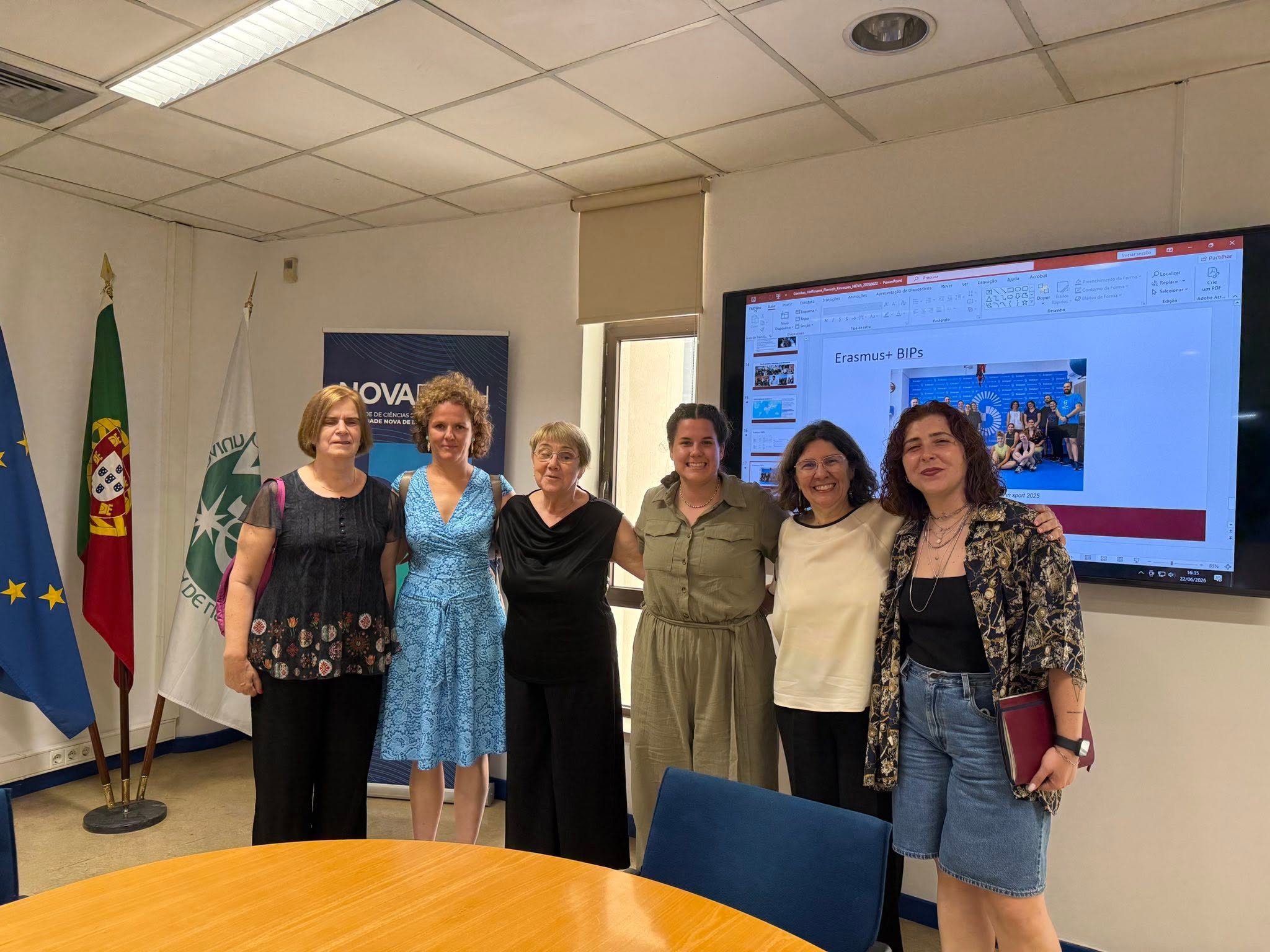
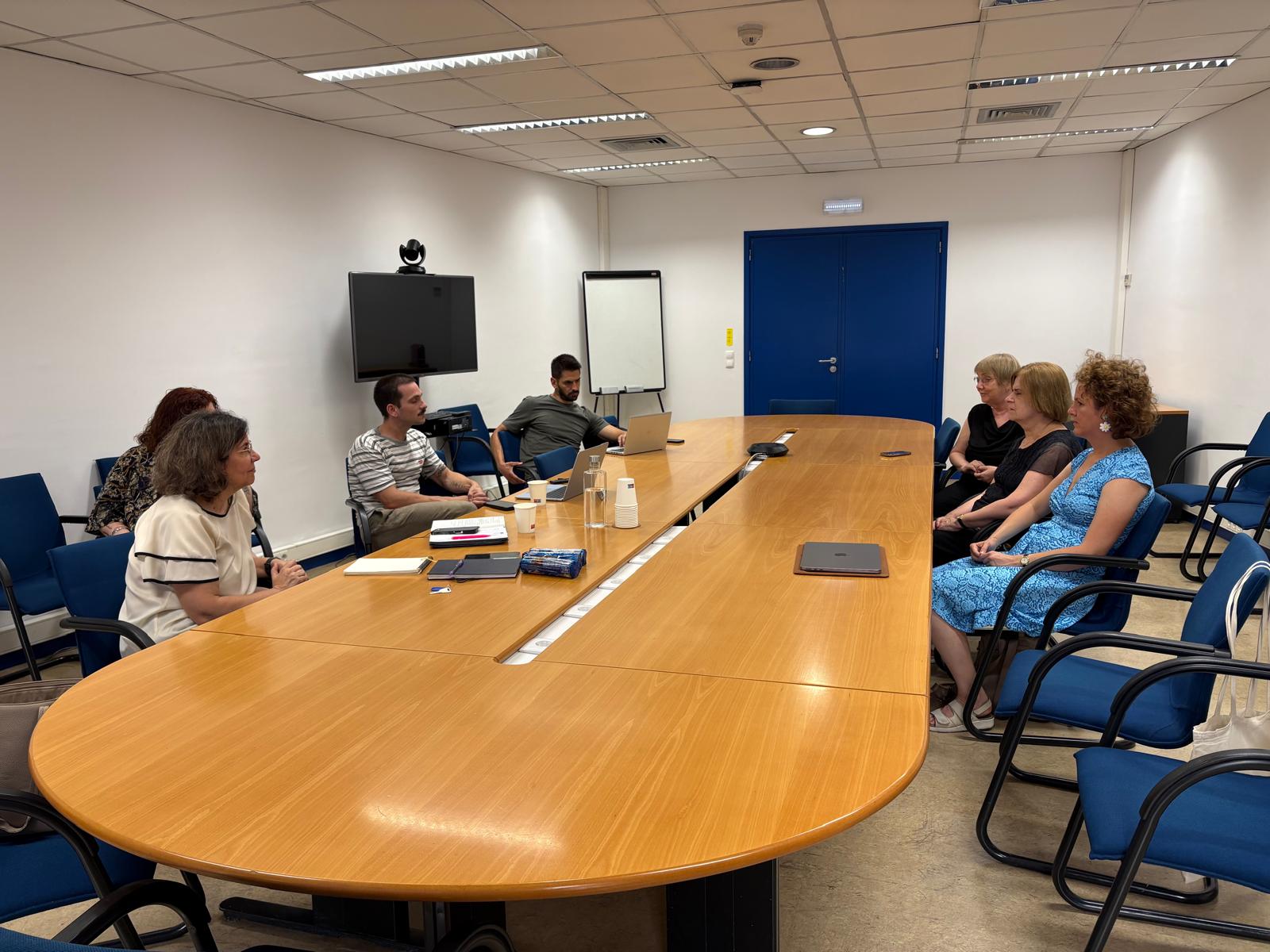
Olga works as a psychologist at NOVA's Mental Health and Well-being Office. The office is responsible for supporting students with disabilities, ensuring equal access to higher education, and—as its name suggests—promoting their mental well-being. Olga and her colleagues work closely with the university sports club, as they firmly believe that regular physical activity plays a significant role in the academic success and physical and mental well-being of students with disabilities. During the mobility, the ELTE delegation first presented the educational structure of our faculty in detail. They also introduced the English-language Bachelor's programme and the faculty's international activities, before exploring opportunities for future cooperation.
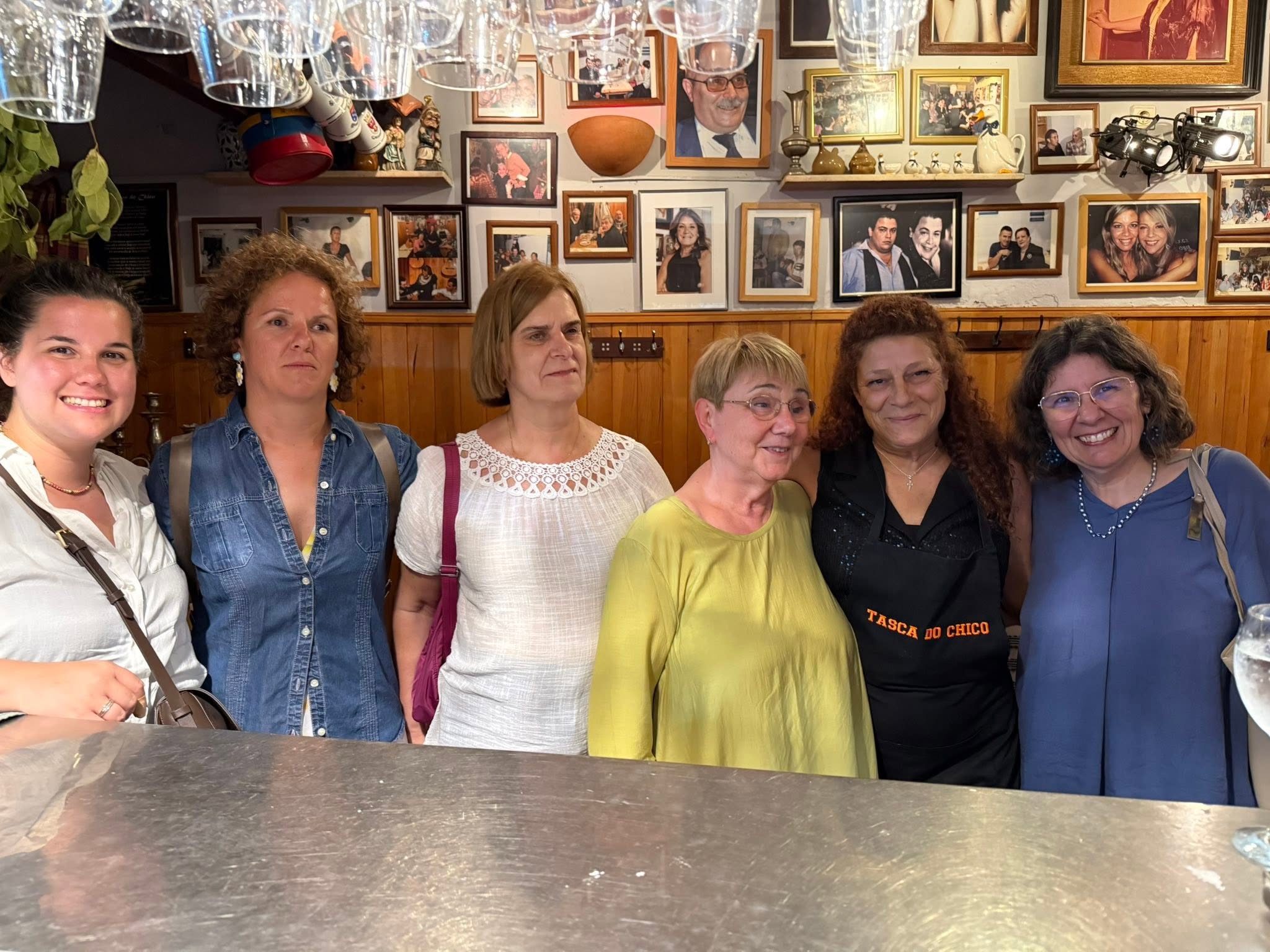
During the visit, Olga also invited the delegation to experience an activity that is deeply rooted in Portuguese culture: an evening of fado. Beyond being a melancholic and emotionally rich musical genre, fado also represents a distinctive way of life and cultural identity. Anyone visiting Lisbon is highly recommended to include a fado performance in their itinerary alongside the city's many attractions.
Second Destination: Politécnico do Porto, Porto
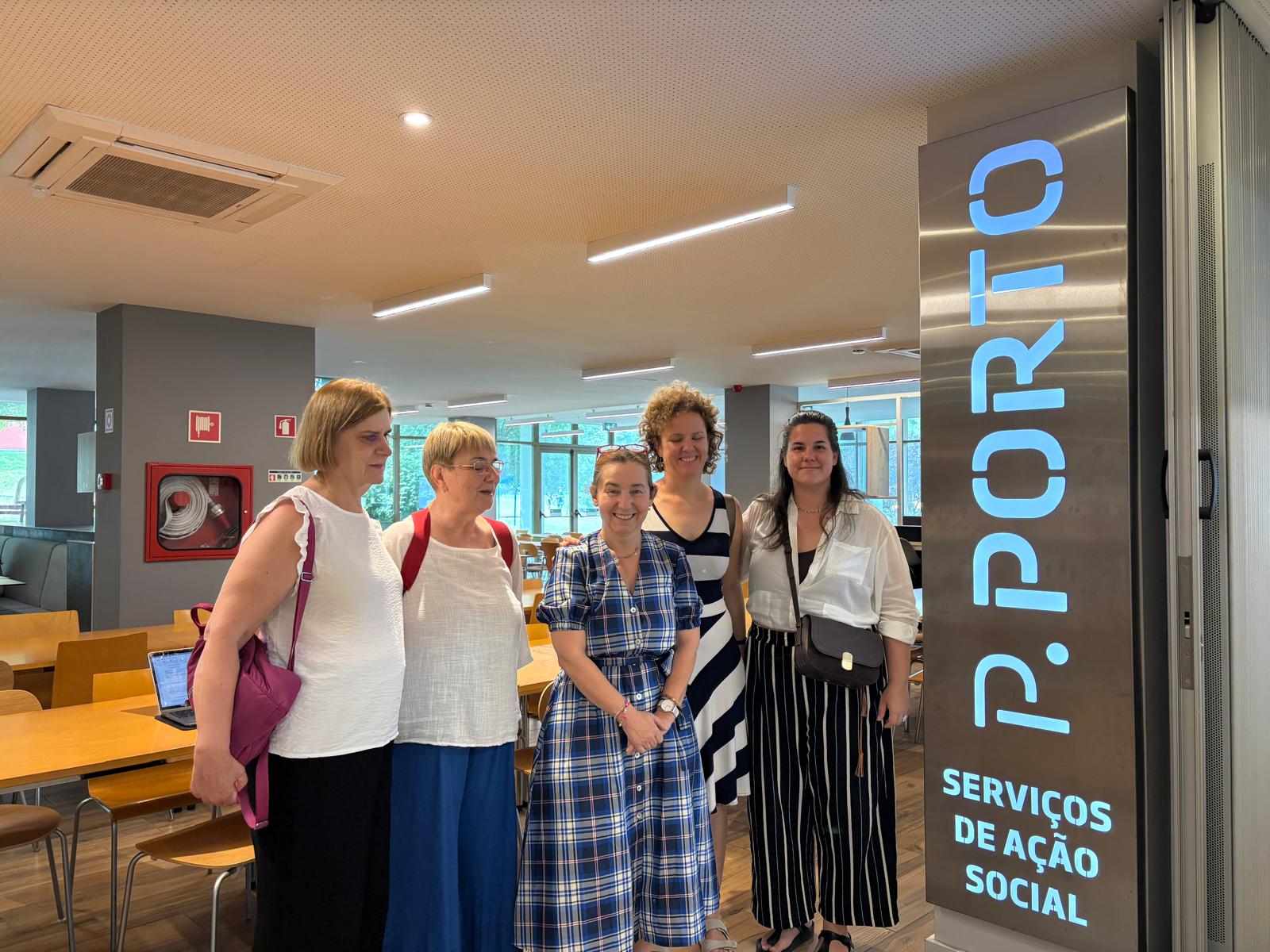
During the mobility, the faculty staff also wished to visit a higher education institution specialising in special needs education and to make the most effective use of their time in Portugal. Following preliminary communication by email, they met Susana Martins, a lecturer and researcher at the School of Education of the Politécnico do Porto. She explained that the institution offers special needs education programmes at Master's and doctoral level, while undergraduate students can pursue general teacher education programmes. Portugal does not have separate special schools for students with disabilities. Instead, the country has established so-called reference schools, each of which has developed recognised expertise in supporting a specific disability group.
It is important to understand that although these institutions typically educate a large number of students with disabilities, they are equally responsible for educating students without disabilities. As a result, classrooms are inclusive and consist of both disabled and non-disabled students. According to Professor Martins, Portugal's legal framework governing the education of students with disabilities is highly progressive and provides a solid foundation for the equally essential process of shaping attitudes towards inclusion. At the same time, students with disabilities continue to have highly diverse experiences regarding society's attitudes—and, more specifically, the attitudes of university lecturers towards students with disabilities.
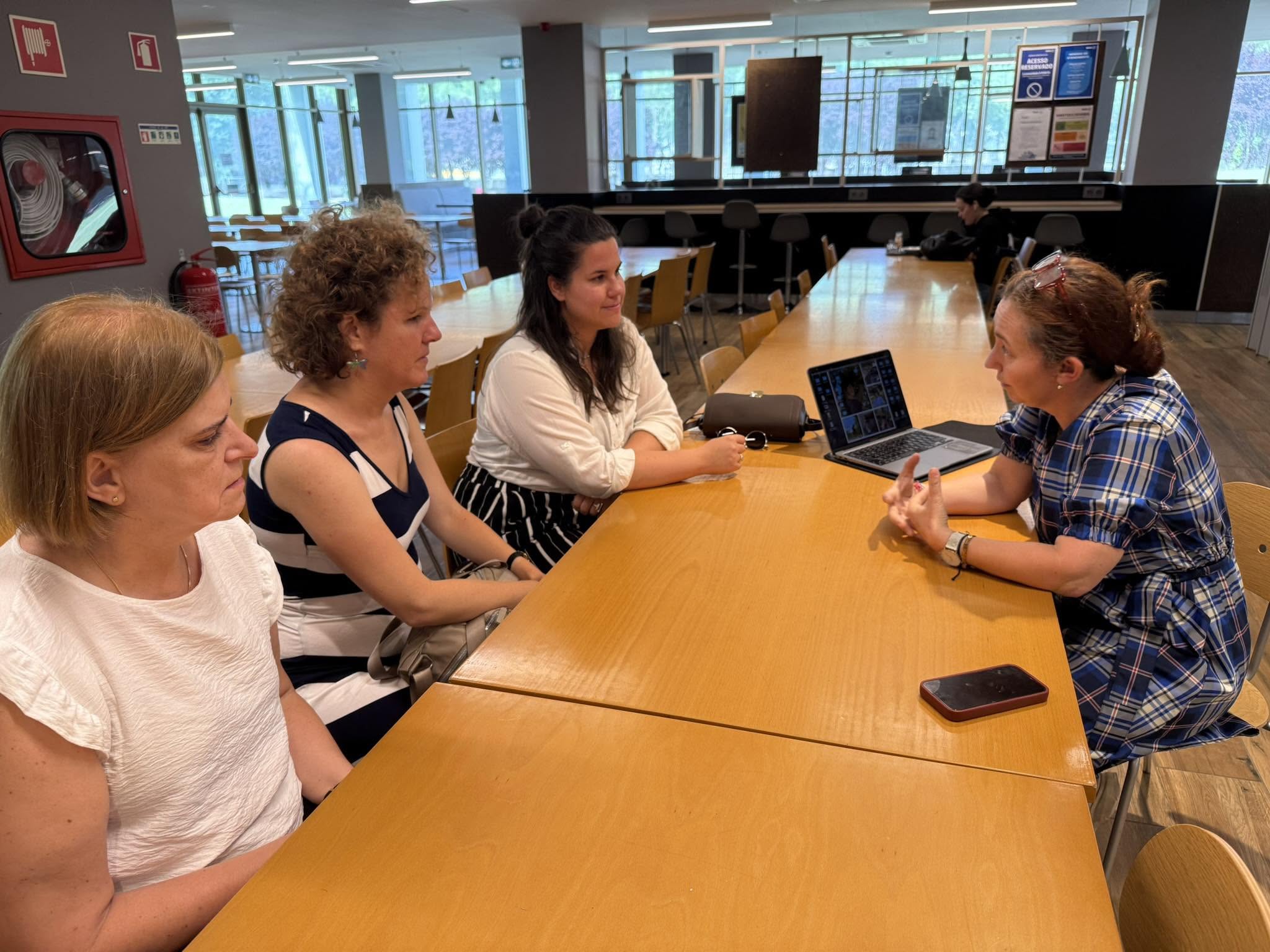
The staff hopes that the partnerships established with both Portuguese universities will continue to develop, enabling both students and colleagues of the faculty to become familiar with these institutions. They also look forward to creating further joint projects that will provide valuable international opportunities for both incoming and outgoing students and staff, broadening their academic and professional horizons.
They would like to express their gratitude to the faculty and the Department of Erasmus+ & International Programmes (ENPO) for supporting this mobility!